City photography changes completely at night.
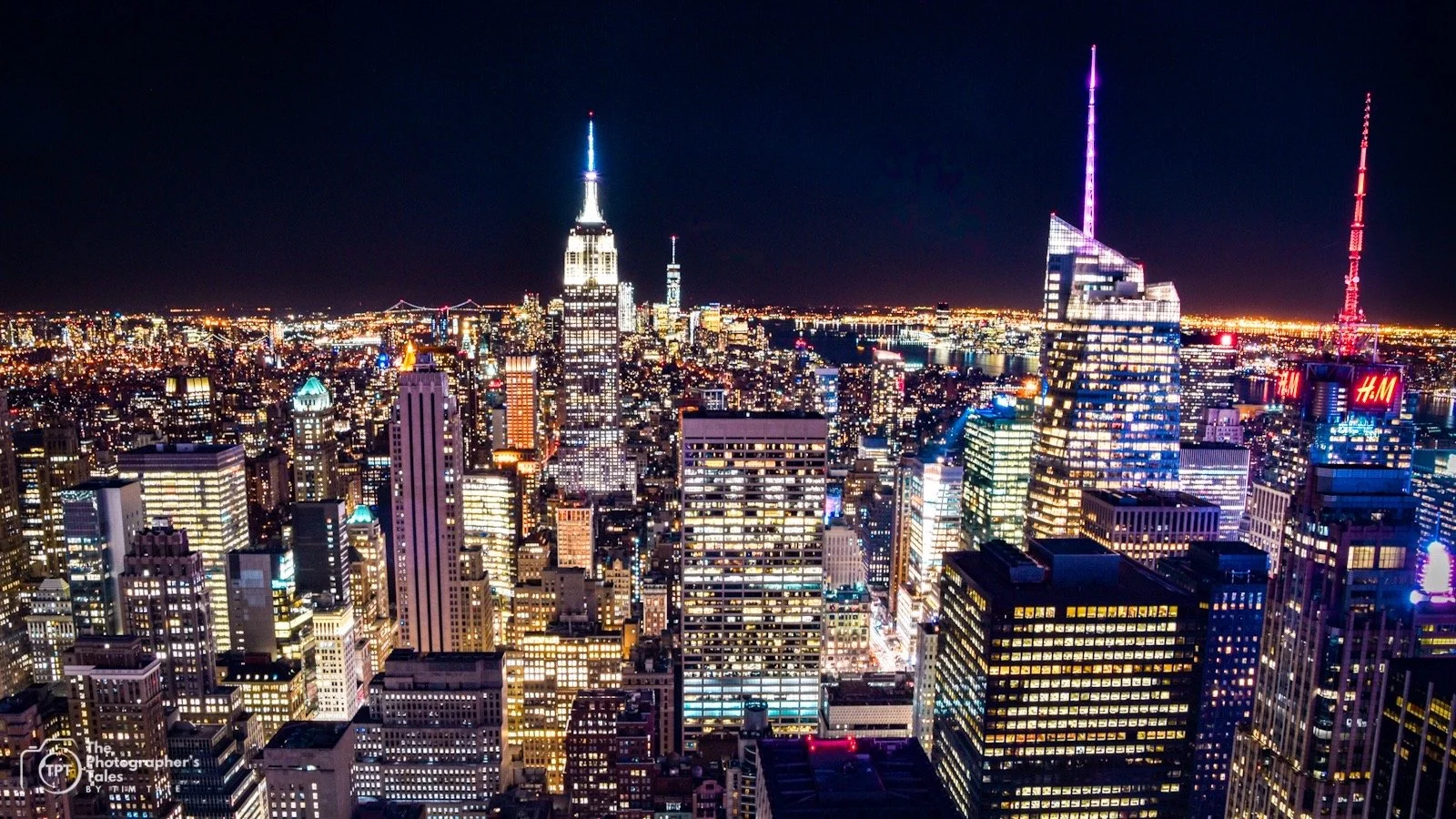
During the day, even great cities can look flat in photographs. Harsh light, busy streets and too much visual clutter can make images feel ordinary very quickly. Once the sun drops, everything starts working differently. Buildings separate from the background, reflections appear, roads turn into leading lines and artificial light starts shaping the image instead of daylight.
That is why I enjoy photographing cities after dark so much when I travel. You are not trying to capture individual moments like street photography. This is more about photographing the view of a place, the skyline, the scale, the atmosphere and the structure of the city itself.
And it does not have to be the obvious tourist shot either.
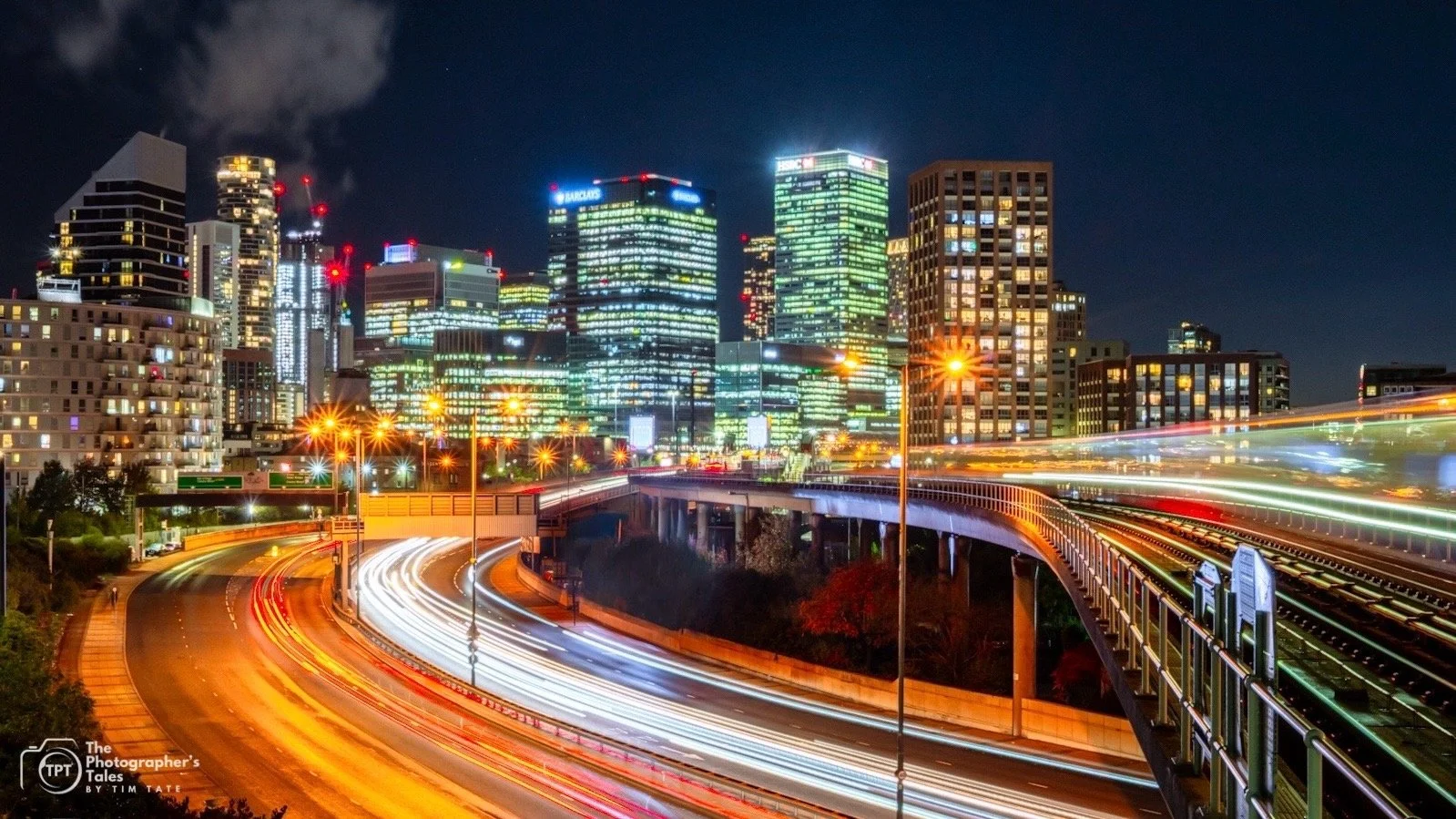
Some of the best locations are the places people walk straight past. Bridges, rooftops, canal paths, elevated roads, riverbanks and side streets. Walk ten minutes away from the postcard viewpoint and you will usually find something far more interesting.
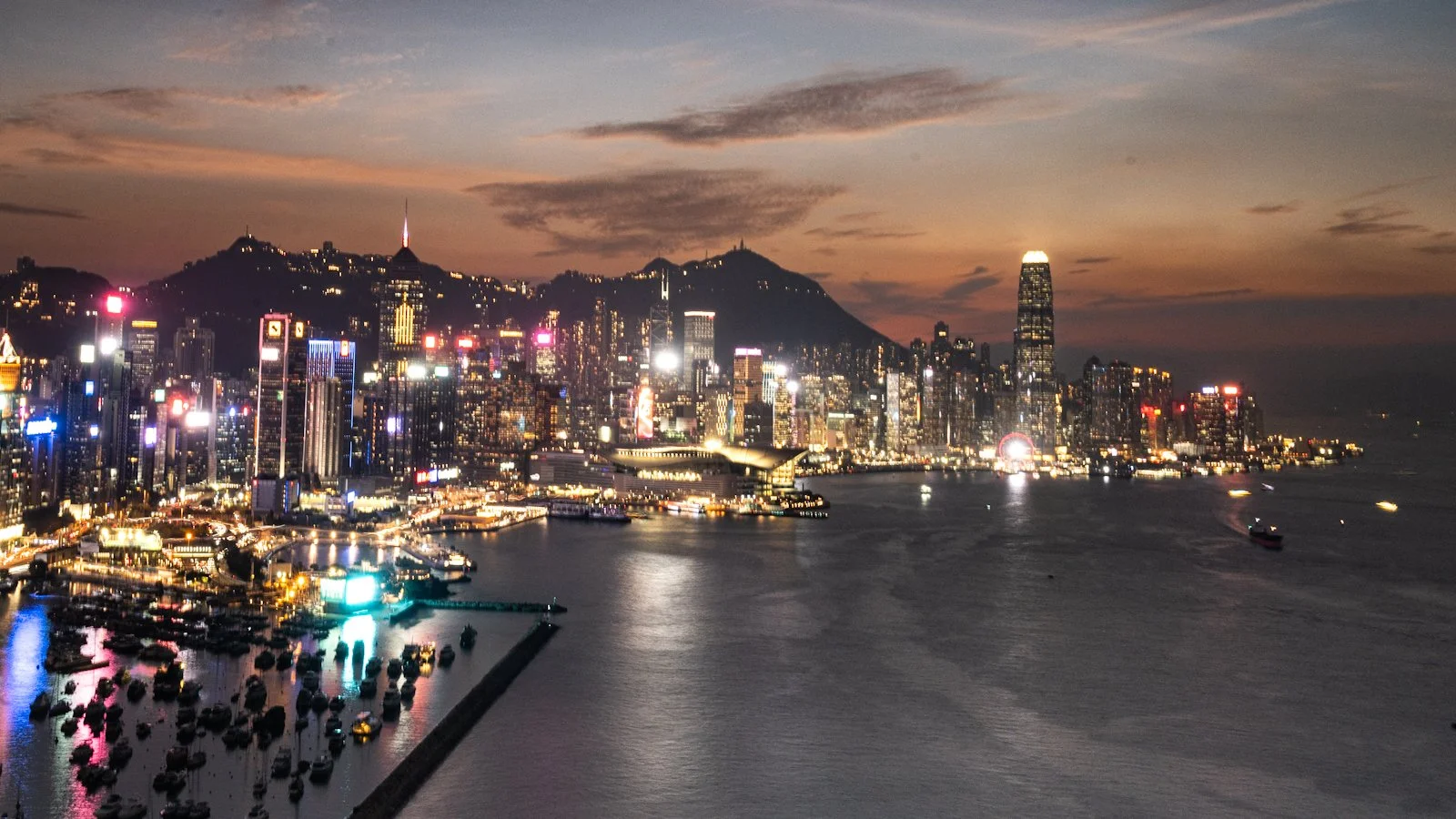
Hong Kong is brilliant for this. The skyline is famous, but once you move away from the standard harbour shots, you start finding layers in the scene. Reflections, darker foregrounds, boats and hills behind the buildings all help give the image more depth.
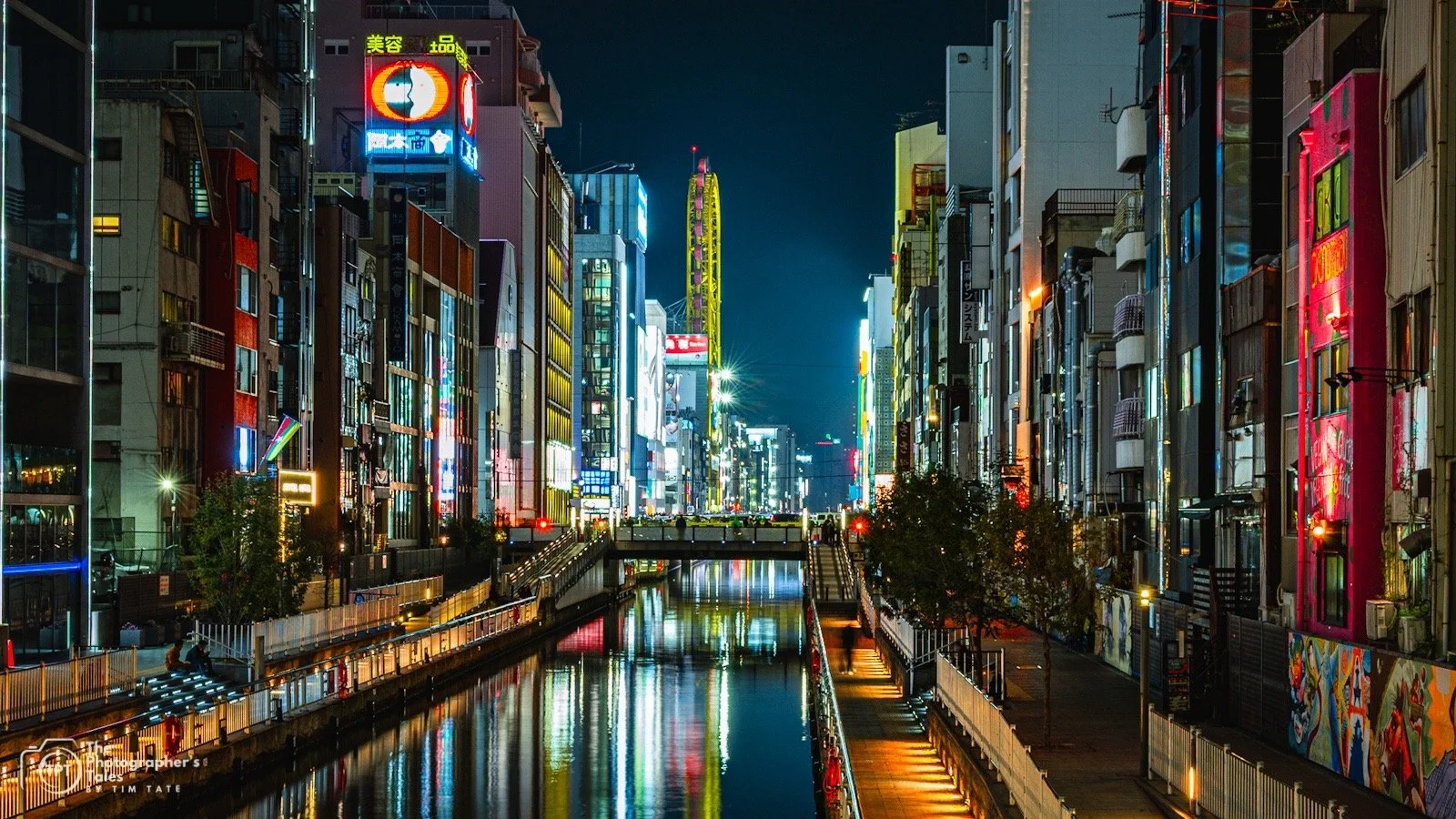
Osaka is completely different again. Neon everywhere, reflections in the canals, strong colours and clean symmetry through the streets. At night the city almost feels designed for long exposures.
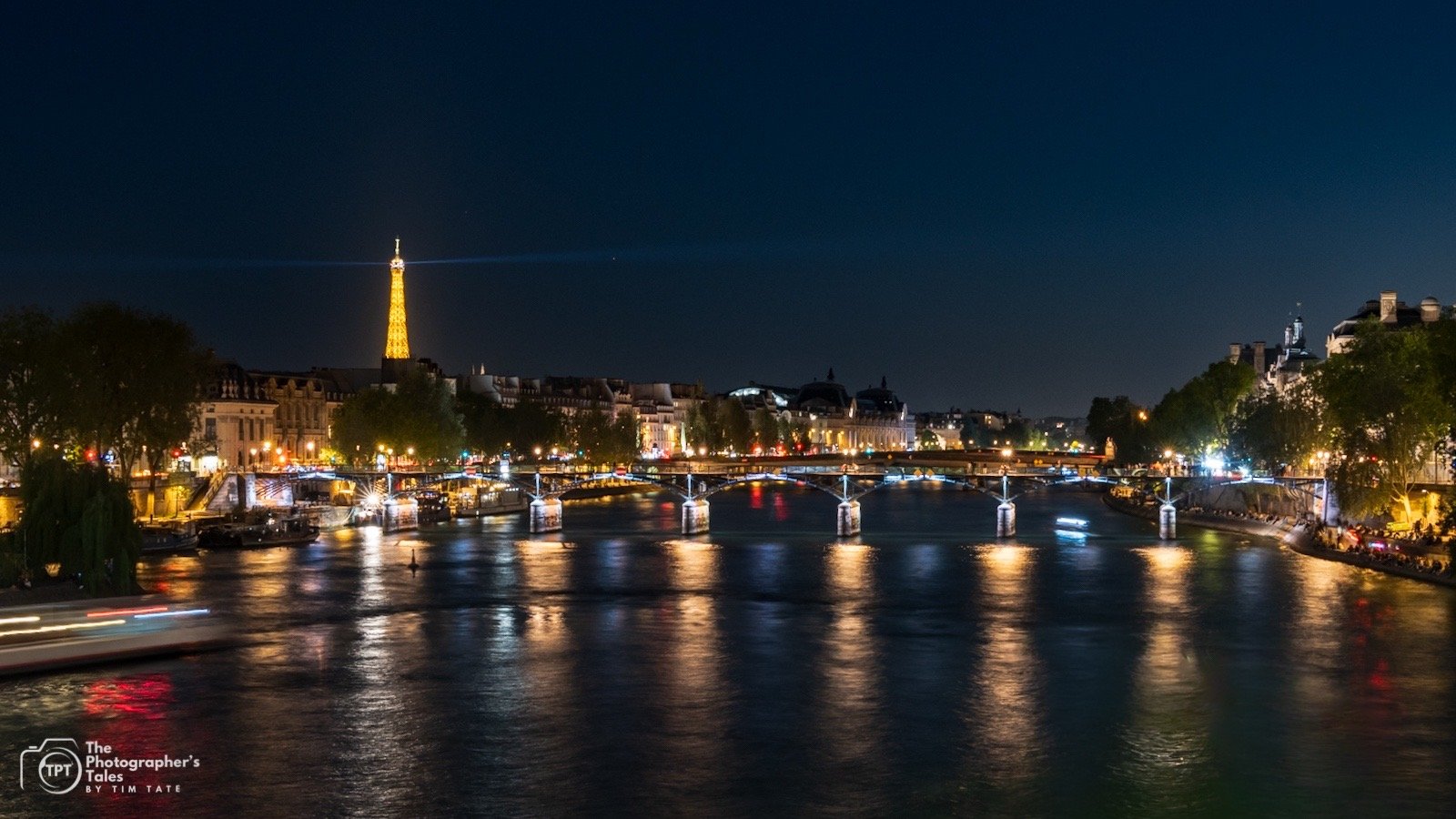
Paris works particularly well after dark because the lighting and reflections simplify the scene. During the day, the Seine can feel cluttered photographically. At night, the bridges, river reflections and cleaner contrast make compositions much stronger.
Technically, none of this is complicated.
The biggest thing is keeping the camera steady. A tripod helps, but honestly, I will use anything. A wall, railing, bench or bin. Whatever works. Long exposures are doing most of the work, so stability matters more than anything else.
I normally try to keep ISO below 400, ideally at 100 if possible. Lower ISO keeps the files cleaner, especially in darker skies and shadow areas. Modern cameras are good in low light, but there is still no substitute for a clean file.
For aperture, I tend to sit around f/11 quite a lot when shooting city views at night. Partly for sharpness, but mainly because it starts bringing out the starburst effect around streetlights and illuminated buildings. Used properly, that can add a bit more energy to the frame without overdoing it.
Exposure times vary depending on the scene, but somewhere between 10 and 30 seconds usually works well for wider city shots. If there is water involved, even 5 to 10 seconds can completely change the image by smoothing the surface and strengthening reflections.
That is usually where night photography really starts paying off.
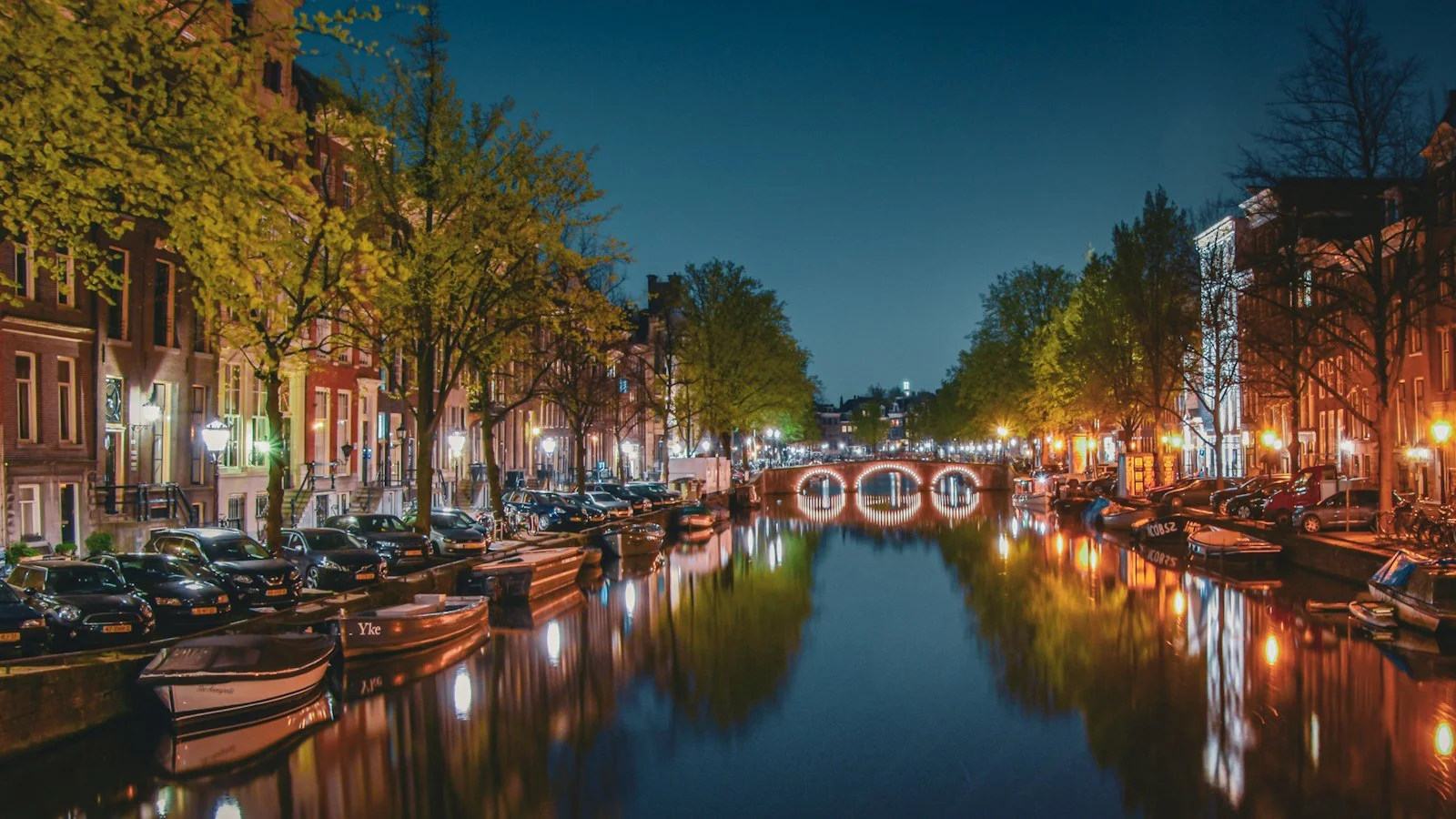
Water, wet roads, glass buildings and even damp pavements all help bounce light back into the frame. You start getting depth and colour in places that simply are not there during the day.
Composition matters as well. Cities already contain enough detail, so trying to cram too much into the frame rarely works. The stronger images usually have one clear anchor point. A skyline, bridge, tower, road or canal. Then the surrounding light supports the composition rather than competing with it.
Weather helps too. A bit of haze or moisture in the air often improves urban scenes because the light spreads more naturally. Wet streets are even better.
What I like most about photographing cities at night is that familiar places can produce completely different images once the lights come on. You can stand in exactly the same spot you visited earlier in the day and come away with a far stronger photograph a few hours later.
And because most people pack the camera away once it gets dark, it opens up opportunities to create city images that feel less obvious and far less predictable.