
Finding calm through the lens
Photography has given me many things over the last few years. New skills to learn. New challenges to wrestle with. New ways of seeing the world. It has also given me plenty of frustration, moments of self-doubt, and more failed images than successful ones. But perhaps the most valuable thing photography has given me is something far less tangible: a sense of calm, and a different perspective.
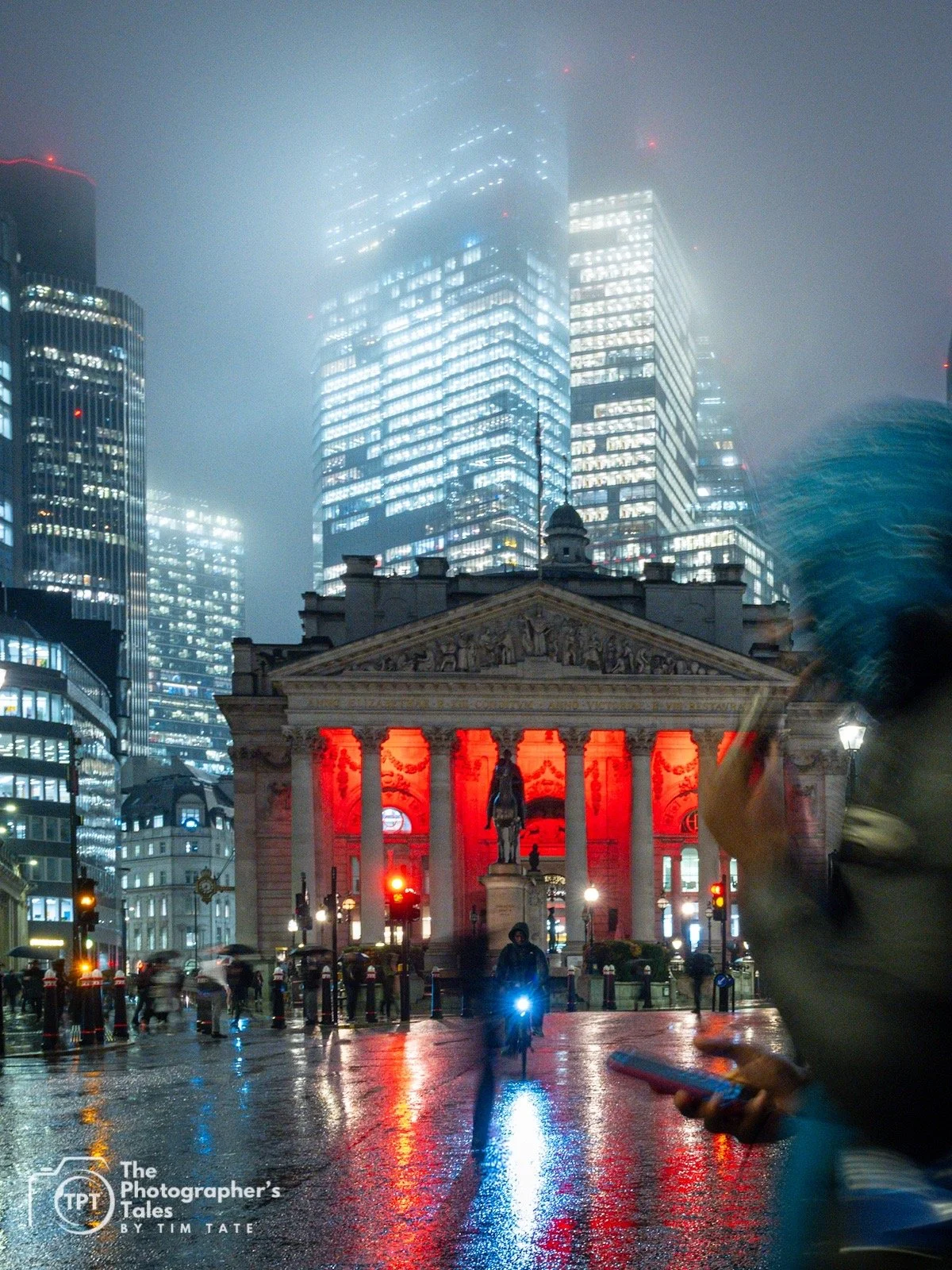
Like many people, my day-to-day life is busy. Work brings pressure, deadlines, responsibility, and constant mental noise. Life outside work adds its own layers of complexity. It is easy to feel switched on all the time, pulled in multiple directions, and rarely present in the moment. Over time, that constant hum can become exhausting.
Photography, for me, has become an antidote to that.
Sometimes it is not about planning a shoot, travelling somewhere dramatic, or creating images for competitions or social media. Quite often, it is simply about picking up a camera, stepping outside, and giving myself half an hour. No expectations. No pressure. Just walking, looking, and observing.
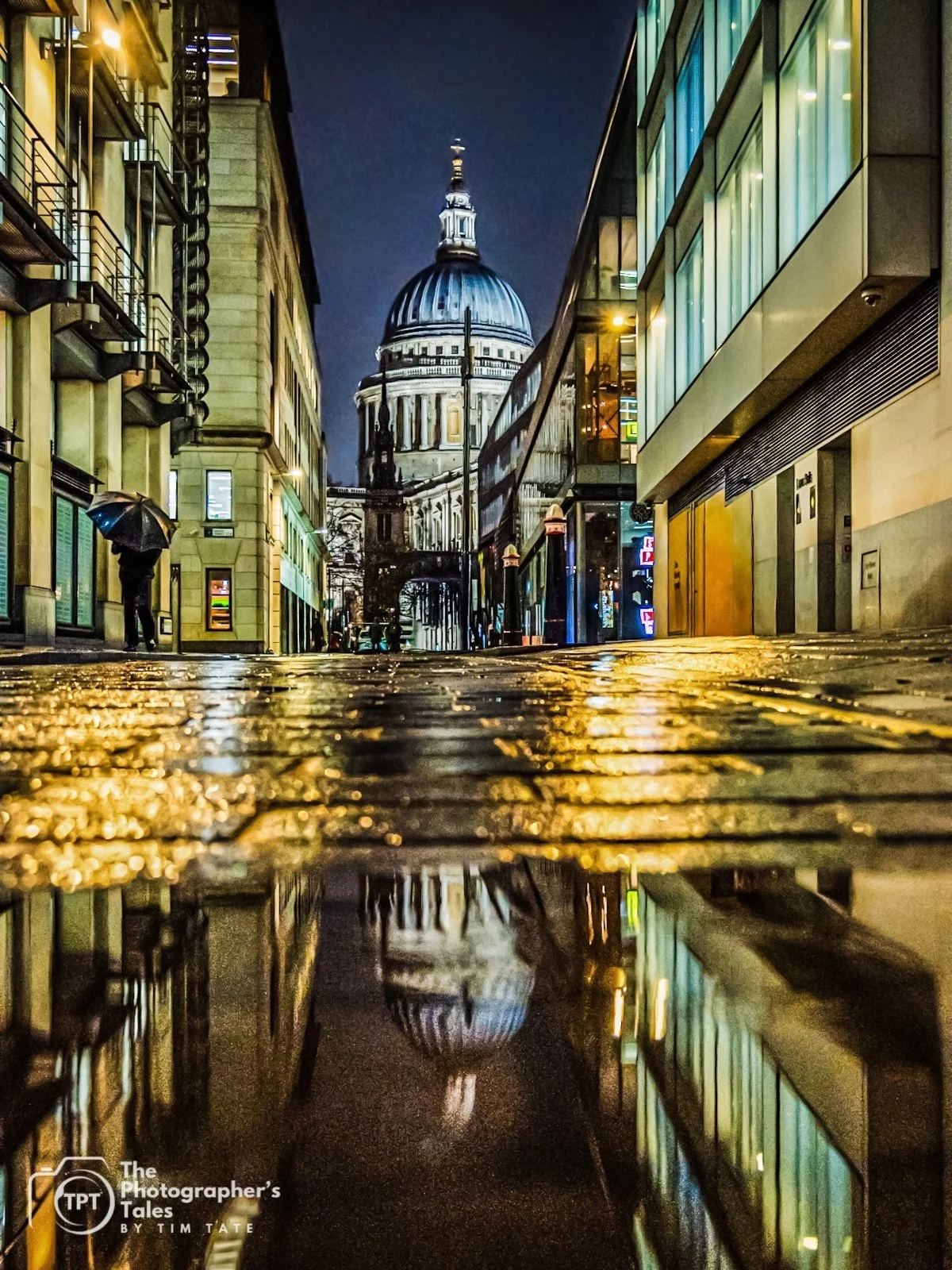
There is something deeply grounding about that simple act.
When I am out with a camera, my attention shifts. I start to notice light falling across a pavement, fleeting interactions between strangers, a reflection in a window, or the quiet geometry of everyday scenes that usually pass unnoticed. My thoughts narrow. Instead of replaying conversations or worrying about tomorrow’s meetings, my focus becomes very small and very present: what is happening right here, right now?
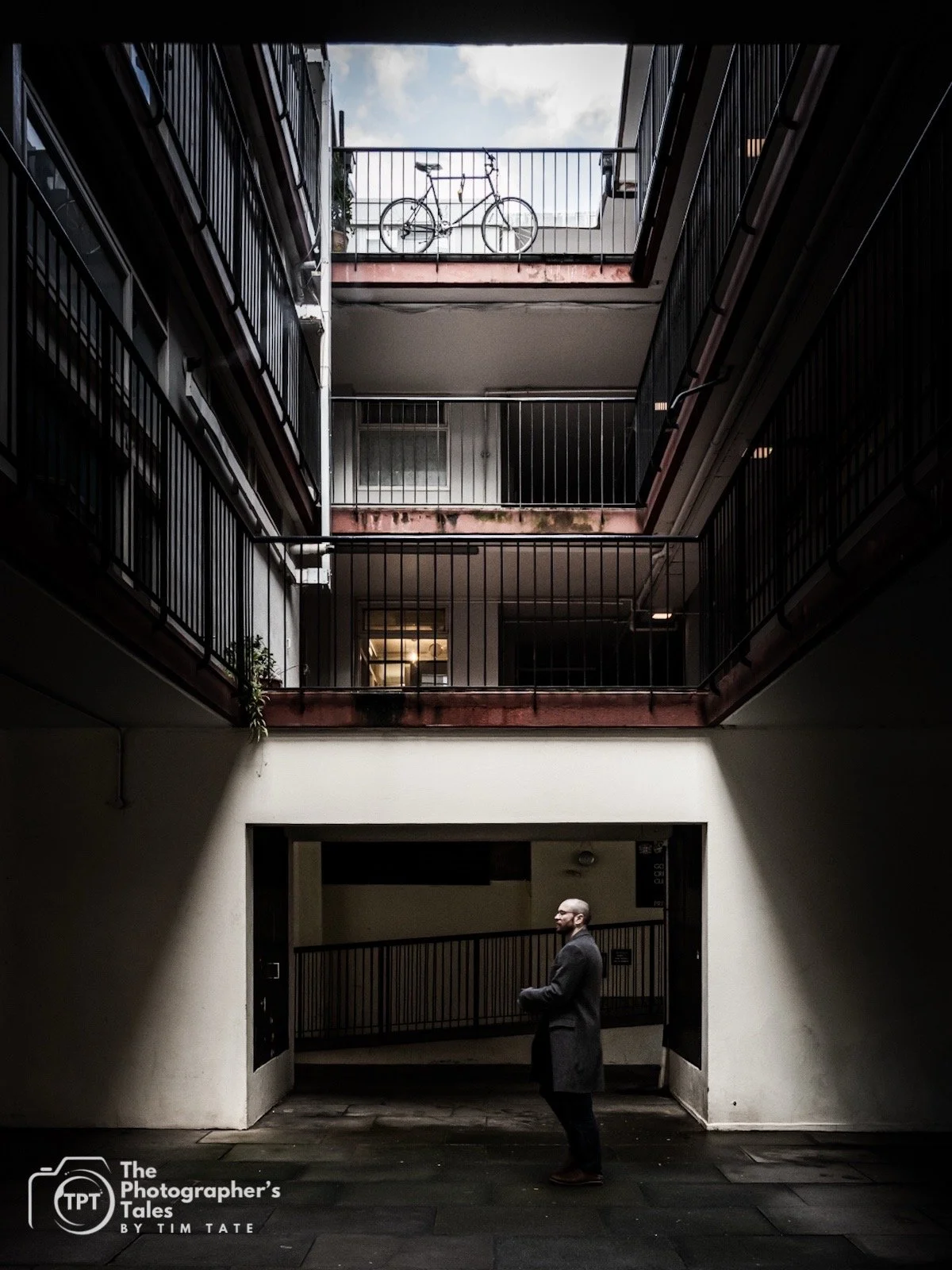
That, I have come to realise, is mindfulness.
Photography demands attention, but it is a gentle kind of attention. It asks you to be aware without forcing you to analyse everything. It invites curiosity rather than judgement. You are not trying to fix problems or reach decisions; you are simply responding to what is in front of you. In that space, the noise of the day fades into the background.
Of course, photography is not always peaceful. Learning new techniques, pushing creative boundaries, and striving to improve can be frustrating. Images do not always work. Sometimes they fail completely. Sometimes they almost work, which can be even more annoying. There are days when nothing seems to come together, when the camera feels like an extension of your own uncertainty rather than a source of joy
But even those moments have value.
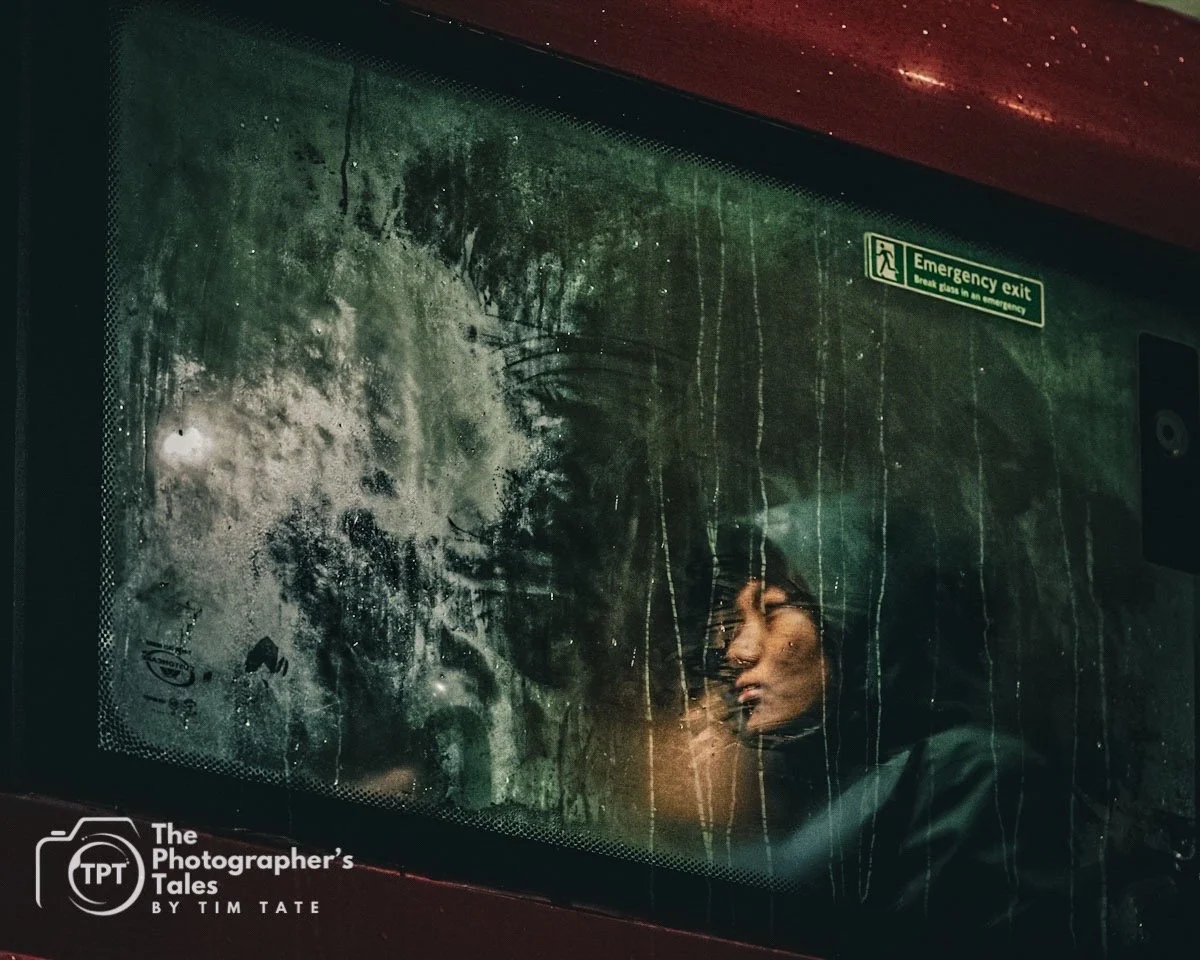
Failure teaches patience. It teaches acceptance. It reminds me that not every walk needs to produce a great image to be worthwhile. Some walks are simply about the act of walking, seeing, and being present. The photographs become secondary. The real benefit is the mental reset that happens along the way.
I have learned to give myself permission to shoot without purpose. To wander without a route. To put the camera down occasionally and just watch. Ironically, those are often the moments when the most meaningful images appear. When you are relaxed, open, and unforced, you see more clearly. Creativity flows more naturally when it is not being pushed.
There is also something comforting about the ritual itself. The weight of the camera in my hands. The familiar controls. The sound of the shutter. These small, physical details anchor me in the moment. They remind me that I am here, not lost in emails, expectations, or mental to-do lists.
Photography has become a way for me to disconnect in order to reconnect. To step away from the pressures of work and life, even briefly, and find a quieter space. A happier space. A place where I can simply be myself, observing the world without needing to influence it.
I do not always come back with images I love. But I almost always come back feeling lighter.
In a world that constantly demands attention, productivity, and speed, photography gives me permission to look and to notice. And sometimes, that is more important than the photograph itself
That, to me, is where the real story lives